GoManagr
Overview
GoManagr as a UI development case study from concept to implementation.
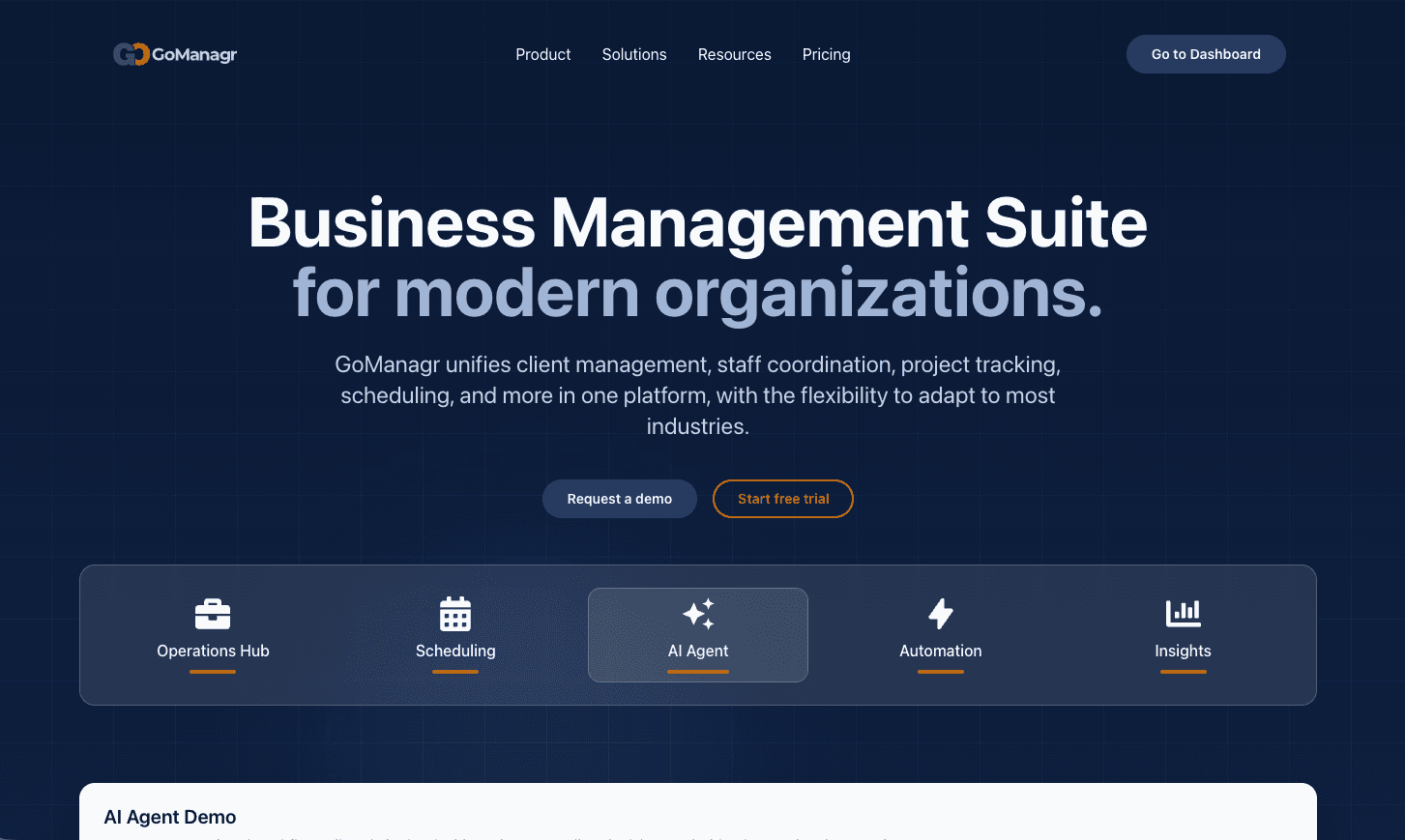
GoManagr demonstrates a design-to-development workflow where interface decisions are translated directly into a reusable front-end system. The focus is on consistency, clarity, and production readiness.
This case study highlights how component patterns, data integration, and testing strategy come together to support a maintainable product experience.
Goals
- Create a production-ready UI foundation that keeps components consistent and reusable.
- Connect front-end experiences to real data workflows with clear feedback and structure.
- Support maintainability with shared patterns and documentation for future iterations.
UI development walkthrough
Screens and artifacts showing structure, integration, and delivery quality.
Home experience
The home interface establishes visual hierarchy and quick orientation for users landing in the product.
Layout, spacing, and typography decisions were tuned to keep core actions easy to discover.
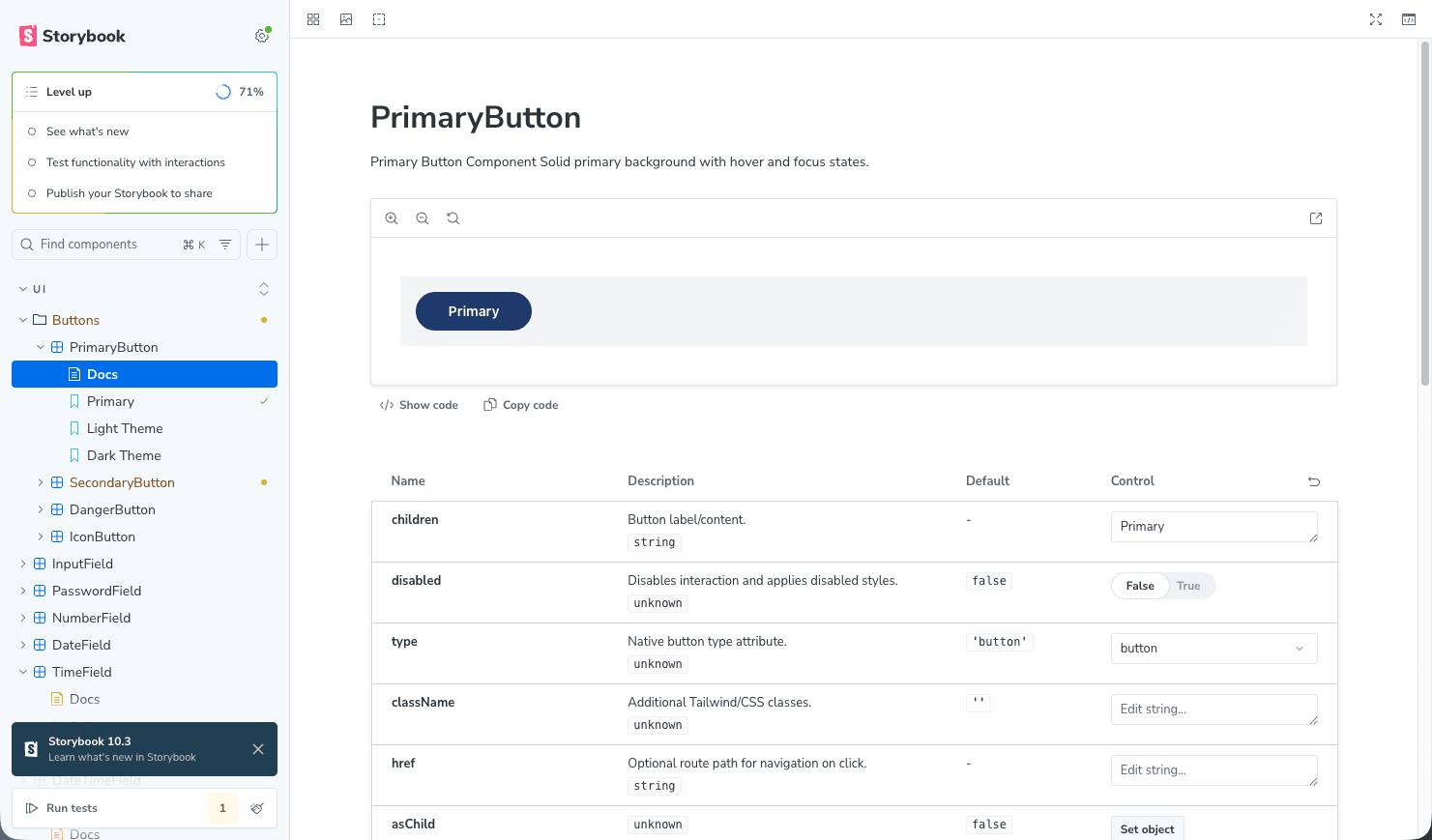
Component library with Storybook
Storybook was used to isolate UI components, validate states, and document usage patterns.
This created a reliable foundation for scaling screens while preserving consistency.
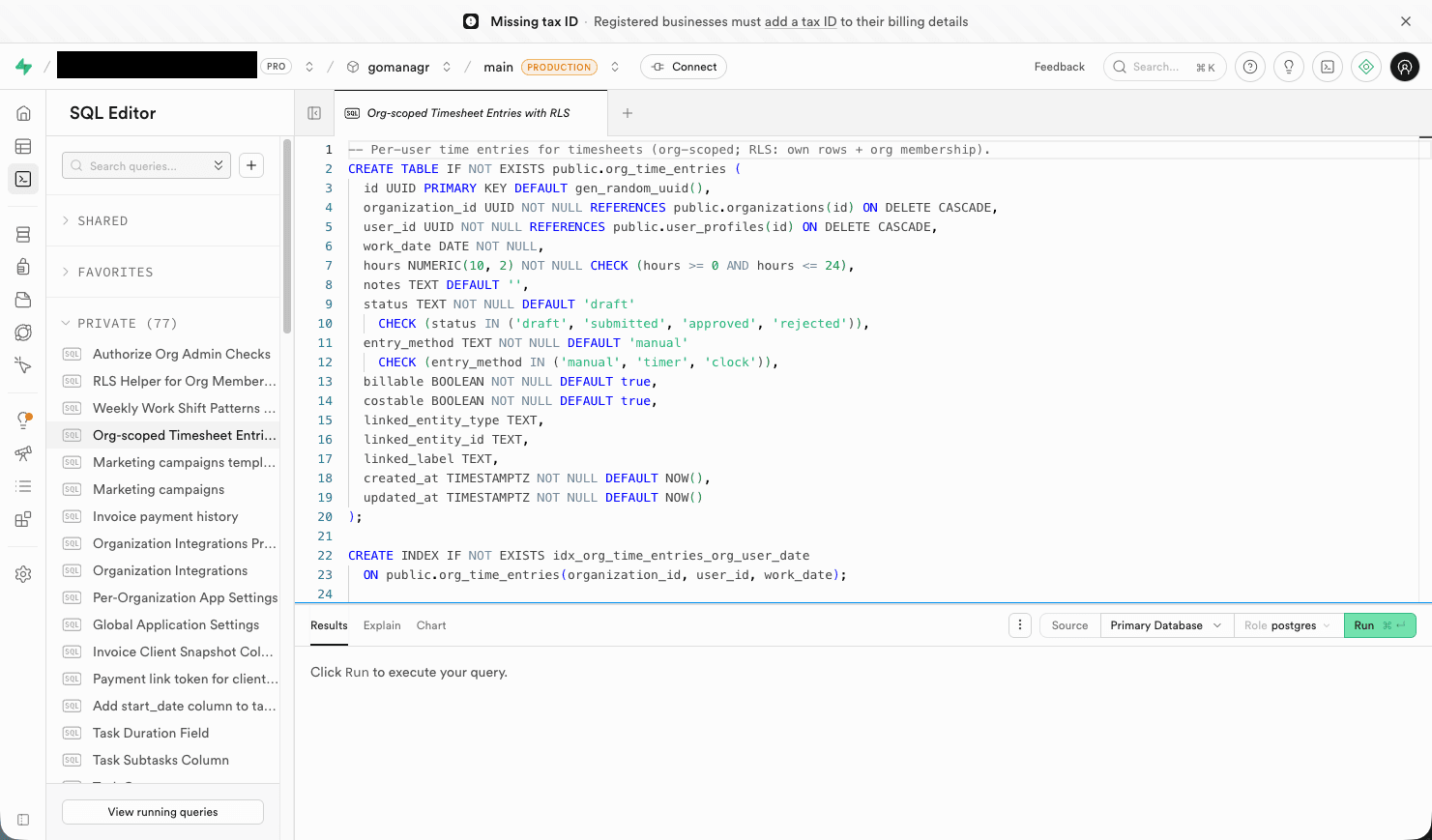
Data integration with Supabase
The UI was designed to reflect real data operations and status changes from Supabase-backed flows.
This alignment ensures interactions are understandable and resilient in everyday use.
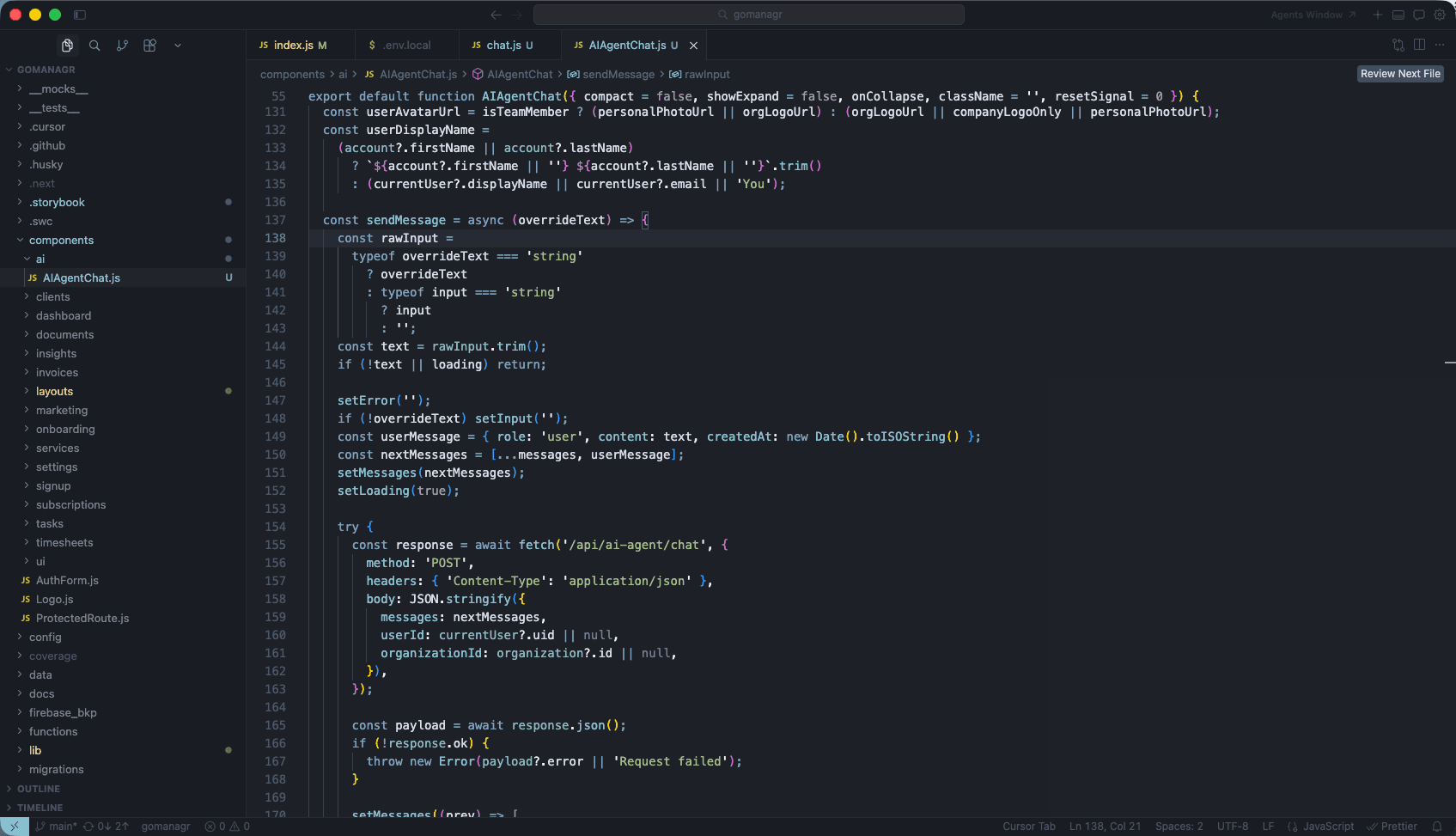
Implementation quality
Development focused on reusable patterns, clean structure, and predictable behavior across features.
This supports easier iteration and lowers friction when adding or updating UI functionality.
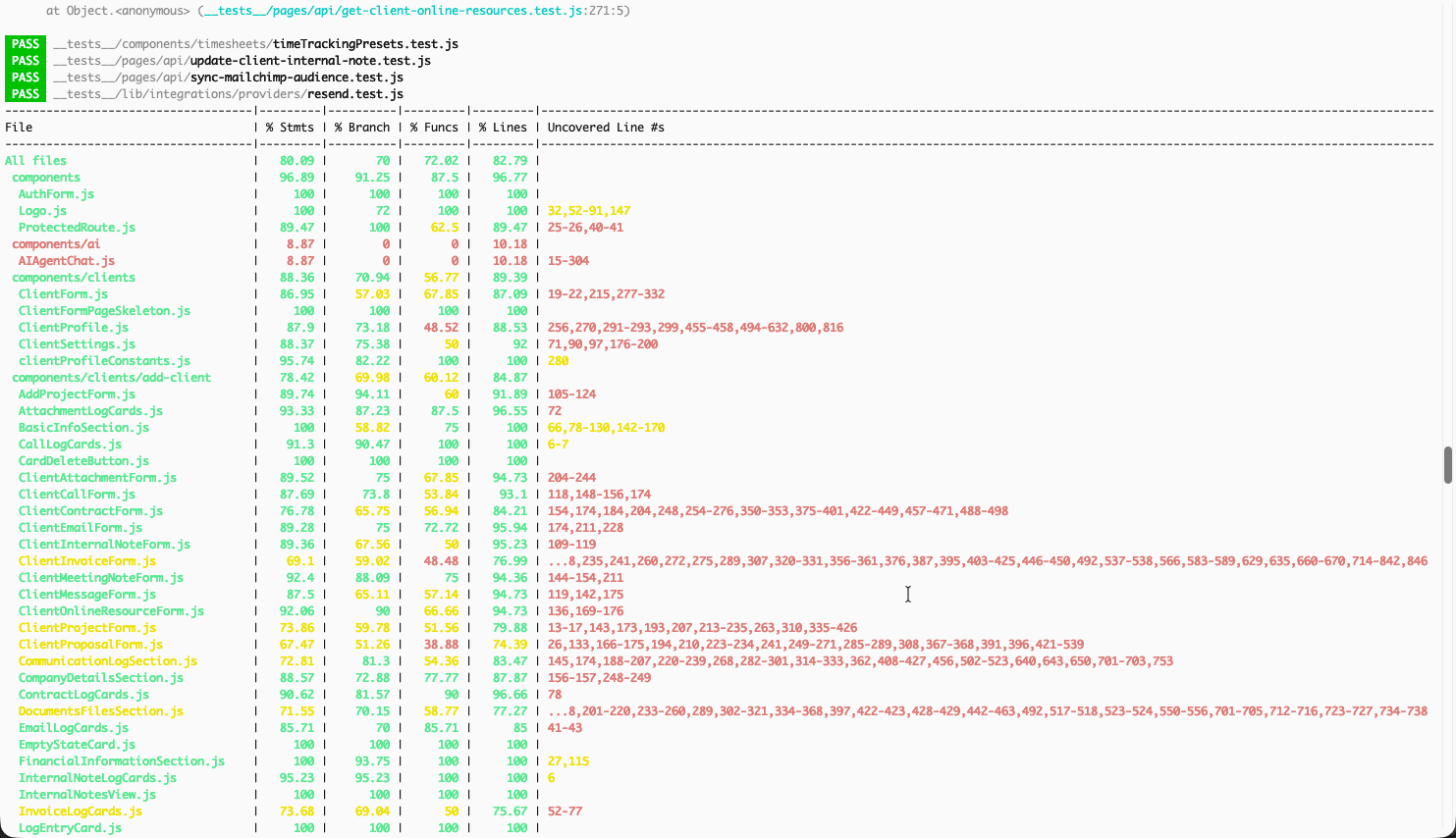
Testing and confidence
Jest coverage supports component reliability and helps prevent regressions during active development.
Testing complements visual and functional checks, keeping releases safer and faster.
Outcomes
- A cohesive and scalable UI architecture aligned with practical product workflows.
- Faster delivery by reusing design and code patterns across screens and features.
- Clearer handoff and collaboration through consistent visual and component decisions.